REGULATORY
FDA Floats Faster Route for Ultra-Rare Therapies
A new FDA proposal could speed rare disease drug approvals using small trials, with tighter science standards and long-term patient follow-up
17 Nov 2025
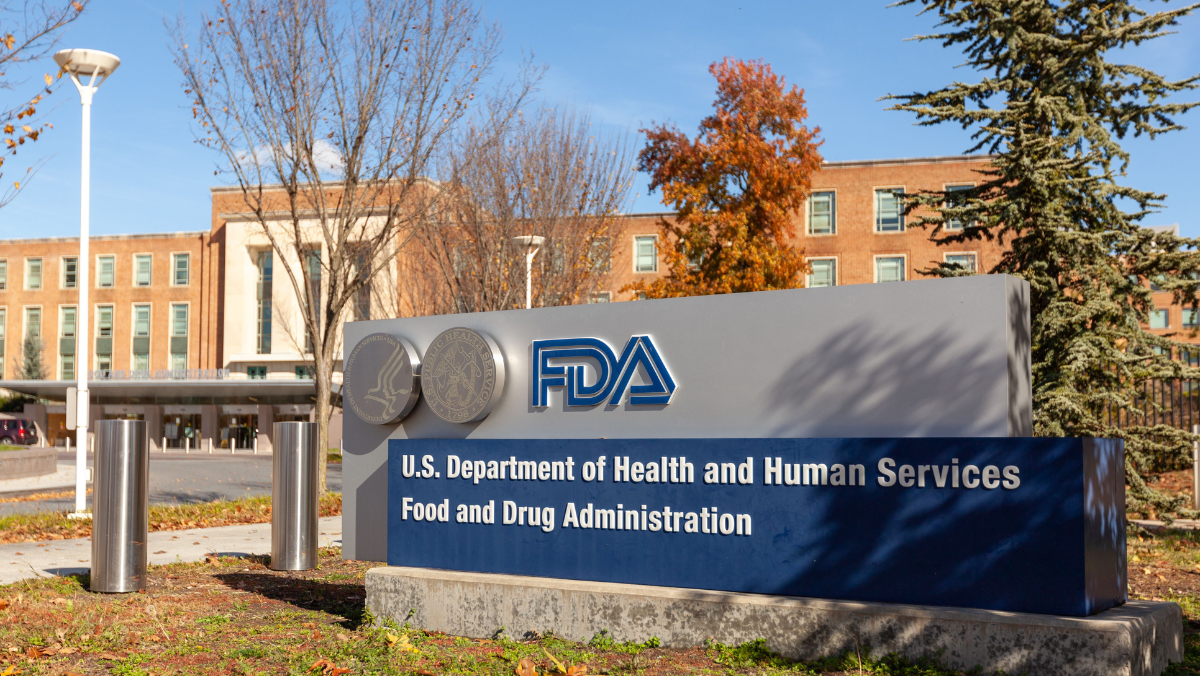
The US Food and Drug Administration has proposed a new regulatory pathway that could allow faster approval of treatments for rare diseases, signalling a shift in how the agency evaluates therapies for conditions where large clinical trials are impractical.
The so-called Plausible Mechanism Pathway would permit approvals based on data from a small number of patients, provided developers meet a set of scientific standards. The proposal, issued under the FDA’s existing authority, is aimed at diseases so rare that conventional trial designs are often unworkable.
Under the framework, companies would need to show a clear link between the disease and its molecular cause, evidence that the treatment engages its intended target, a well-defined understanding of the disease’s natural history, and clinical improvements consistent with the therapy’s proposed mechanism. If these criteria are met, regulators could consider approval earlier in development.
One industry analyst described the proposal as the clearest signal yet that the FDA is adapting its approach to keep pace with advances in gene and cell therapies, where treatments are increasingly designed for very small patient populations.
The initiative comes as investment in genetic medicine continues to grow. For both early-stage biotechs and larger pharmaceutical groups, the proposal has been welcomed as an incentive to pursue programmes that were previously seen as too costly or uncertain. Patient advocacy groups have also backed the idea, arguing that families affected by ultra-rare conditions cannot afford to wait years for traditional trial results.
The pathway would, however, place heavier demands on companies after approval. While pre-approval trial sizes could be smaller, developers would be required to collect extensive post-market data, including long-term safety and real-world effectiveness. Companies would need to demonstrate that early benefits are durable over time.
Some smaller biotechs may find the cost and complexity of long-term patient monitoring challenging. Regulatory experts, however, argue that stronger follow-up requirements are necessary to balance flexibility at the approval stage with patient safety.
The proposal is already shaping strategic discussions across the sector. Analysts say it could influence partnerships, licensing deals or acquisitions as companies evaluate which technologies are best suited to highly targeted treatments and intensive data collection.
The FDA has yet to publish detailed guidance or an implementation timeline. Until then, companies and investors are weighing how a faster, more evidence-intensive approval model could reshape rare disease drug development.
Latest News
14 Dec 2025
Rare Disease Boom Redefines Pharma Strategy11 Dec 2025
An Experimental Gene Therapy Signals New Hope for Rare Disorders9 Dec 2025
High Risk, High Impact: Rare Disease Biotech Reclaims Investor Attention8 Dec 2025
AI Models Take on Medicine’s Rarest Challenges
Related News

MARKET TRENDS
14 Dec 2025
Rare Disease Boom Redefines Pharma Strategy

INNOVATION
11 Dec 2025
An Experimental Gene Therapy Signals New Hope for Rare Disorders

INVESTMENT
9 Dec 2025
High Risk, High Impact: Rare Disease Biotech Reclaims Investor Attention
SUBSCRIBE FOR UPDATES
By submitting, you agree to receive email communications from the event organizers, including upcoming promotions and discounted tickets, news, and access to related events.